The Famous Hermitage Art Museum Is Located in Which City
The Imperial Art Collection was instituted by supreme decree of Catherine the Keen in 1764. Her personal drove was then housed in a wing of the Winter Palace known as the Hermitage. The Russian emperors who followed Catherine added extensively to the trove, acquiring entire collections of Western European painting, sculpture, objets d'art and archaeological monuments from the ancient cultures of Egypt, Greece, Rome and the Eastward.
Today, the Hermitage is one of the largest art museums in the earth. Its collection (nigh 3 million pieces!) is spread beyond several buildings, ii of which — the Wintertime Palace itself and the General Staff building (in front end of the palace) — are open to visitors. Nosotros present a tiny fraction of the masterpieces for which the Hermitage is internationally famous, and which are seeable in i visit.
For some curious facts about the museum, seehere.
one. Cameo Gonzaga (portraits of Ptolemy Two and Arsinoe Ii). Alexandria, Egypt, 3rd century BC.
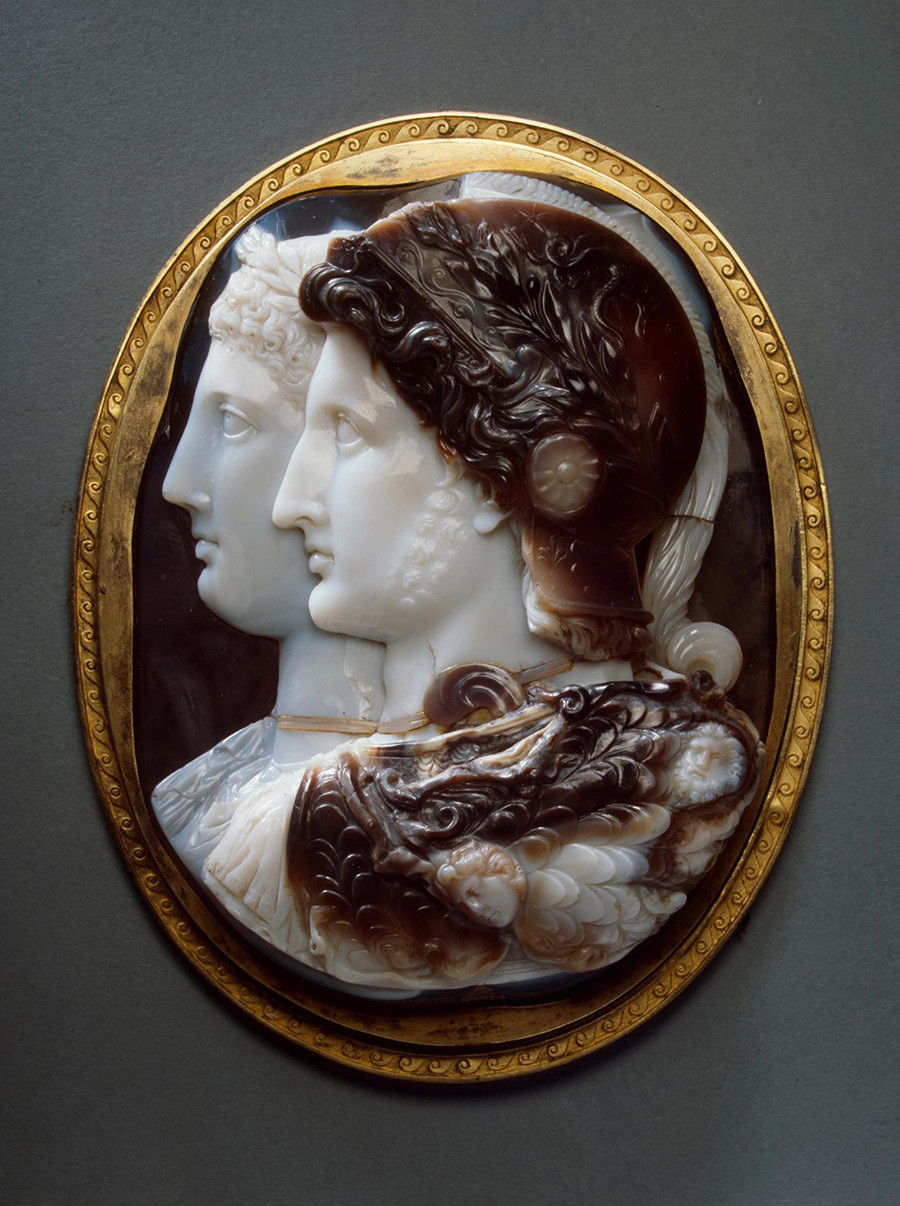
This unique double portrait was presented in 1814 to Emperor Alexander I by Josephine, wife of Napoleon Bonaparte, every bit an act of gratitude for the Russian tsar's personal visit to her palace near Paris to guarantee her condom while the victorious allied troops entered the city. It is on display in the Cameo Gallery on the first floor of the New Hermitage building.
2. Aphrodite (Venus Tauride). Ancient Greece, 2nd century BC.
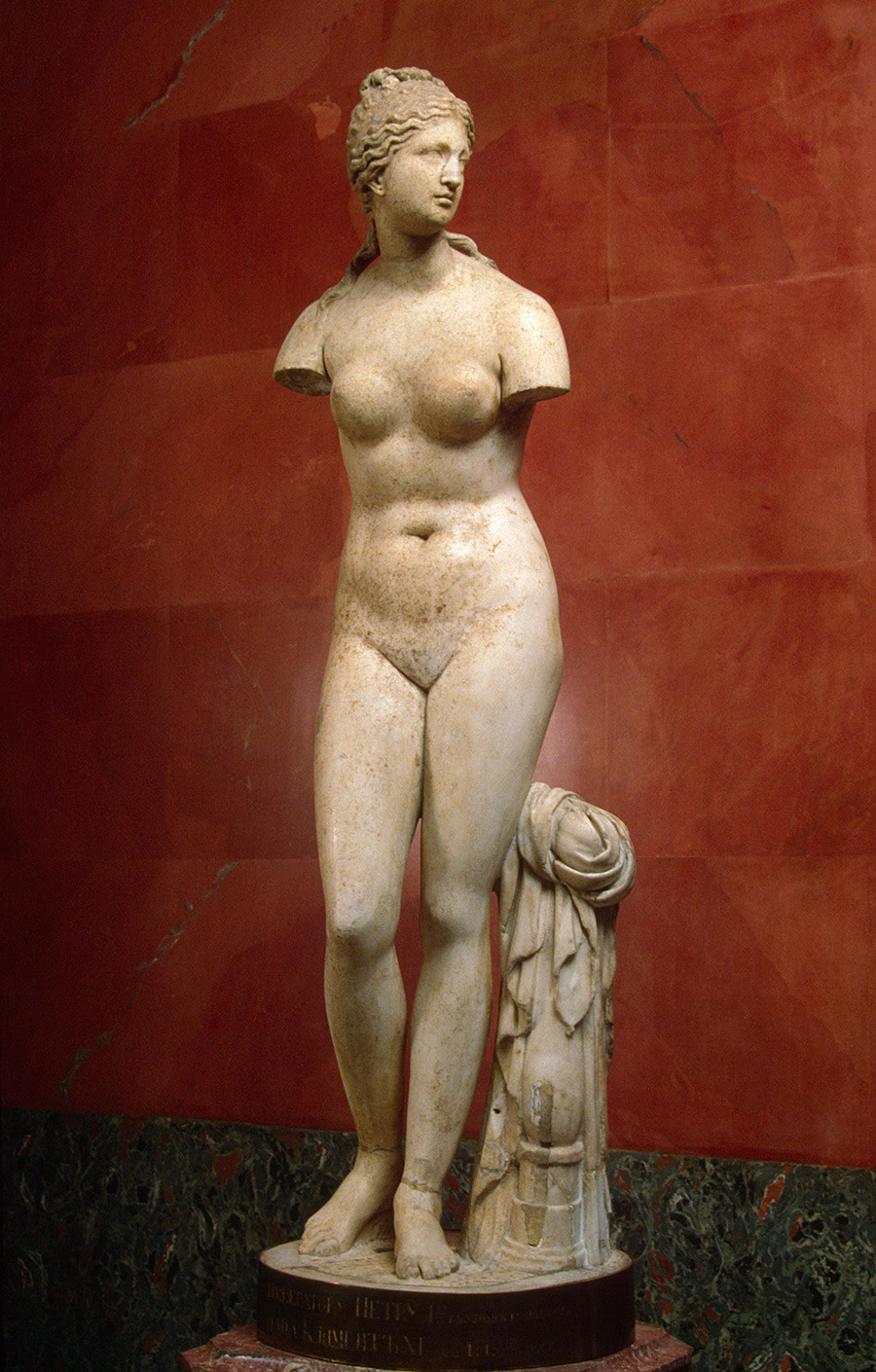
This 167-cm high marble statue was a gift to Peter the Keen from the Vatican (other sources say it was exchanged for the relics of St. Bridget of Sweden). The "infidel idol" was initially put on public display in the Summer Garden, before beingness moved to the Tauride Palace, dwelling house of Prince Potemkin. The statue was transferred to the Hermitage in 1852 to mark the opening of the New Hermitage (where it all the same stands in Room 109).
3. Statue of Jupiter. Ancient Rome, late 1st century Ad.
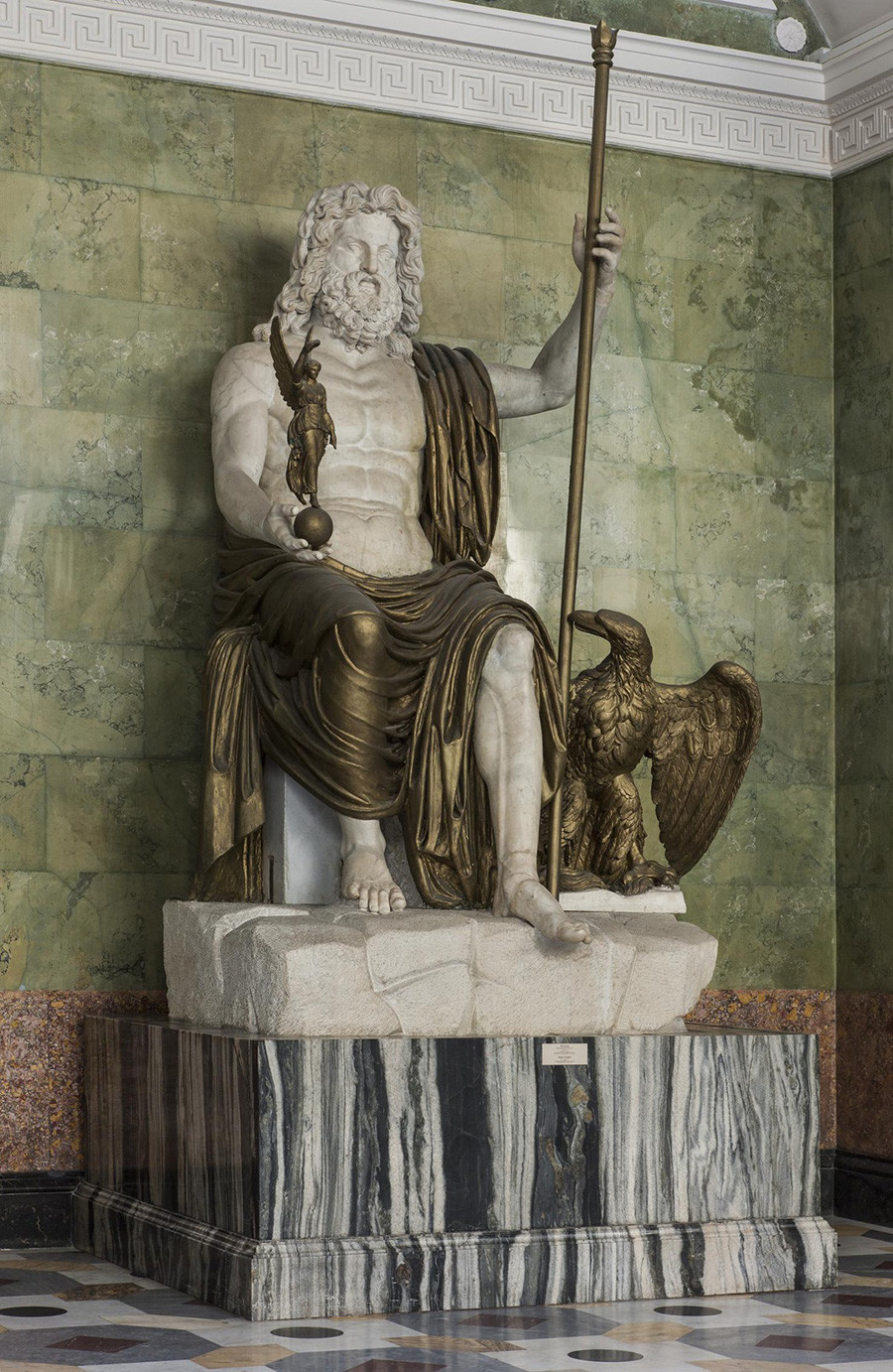
This colossal sculpture of the aboriginal god was acquired for the Hermitage in 1861 by Alexander Ii from the broke Marquis of Campana. One of the largest statues in the museum, information technology is on brandish in Room 107 of the New Hermitage.
4. Leonardo da Vinci. Madonna Litta, 1490s
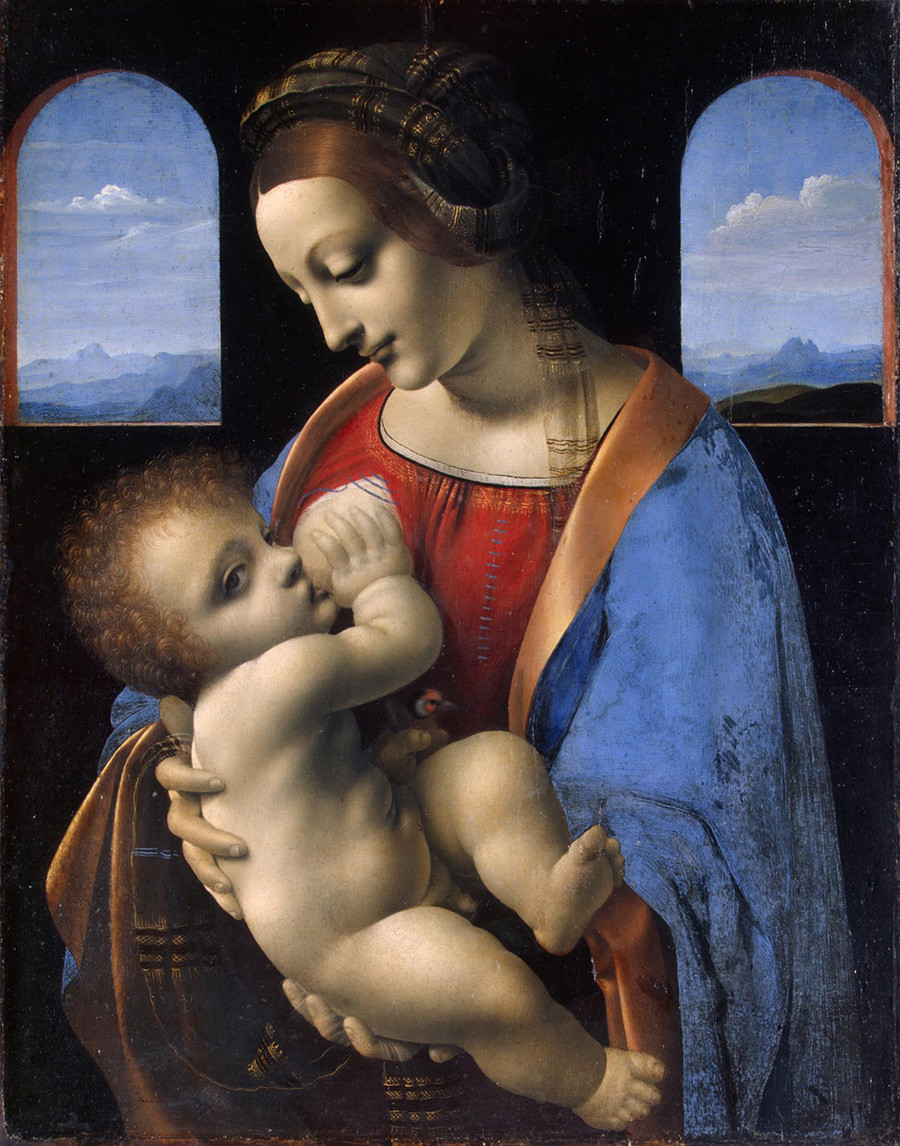
I of the get-go works of the High Renaissance, this painting was created for the rulers of Milan. The Hermitage bought it in 1864 from the Duke of Litta, a member of an aloof Milanese family, whose drove had held the painting for several centuries. The work is exhibited in Room 214 of the Large (Sometime) Hermitage.
five. Giovanni Battista Cima da Conegliano. Annunciation, 1495
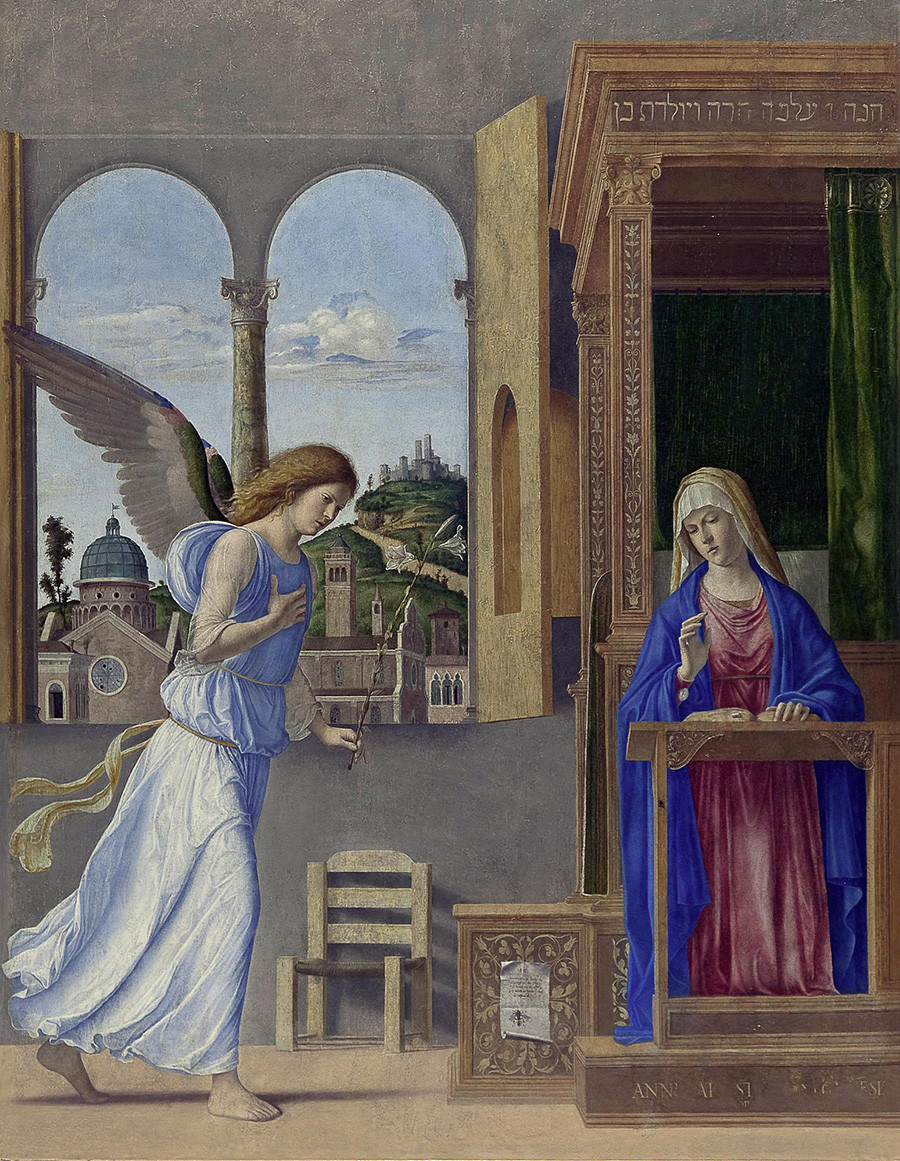
The work was originally washed on a wooden base, just when acquired by Russian Prince Sergey Golitsyn in the mid-19th century it was transferred to canvas past his art conservator. In 1886 Golitsyn sold the painting at auction, where it was bought for the museum. It is located in Room 217 of the Large Hermitage.
6. Rogier van der Weyden. Saint Luke Cartoon the Virgin, 15th century
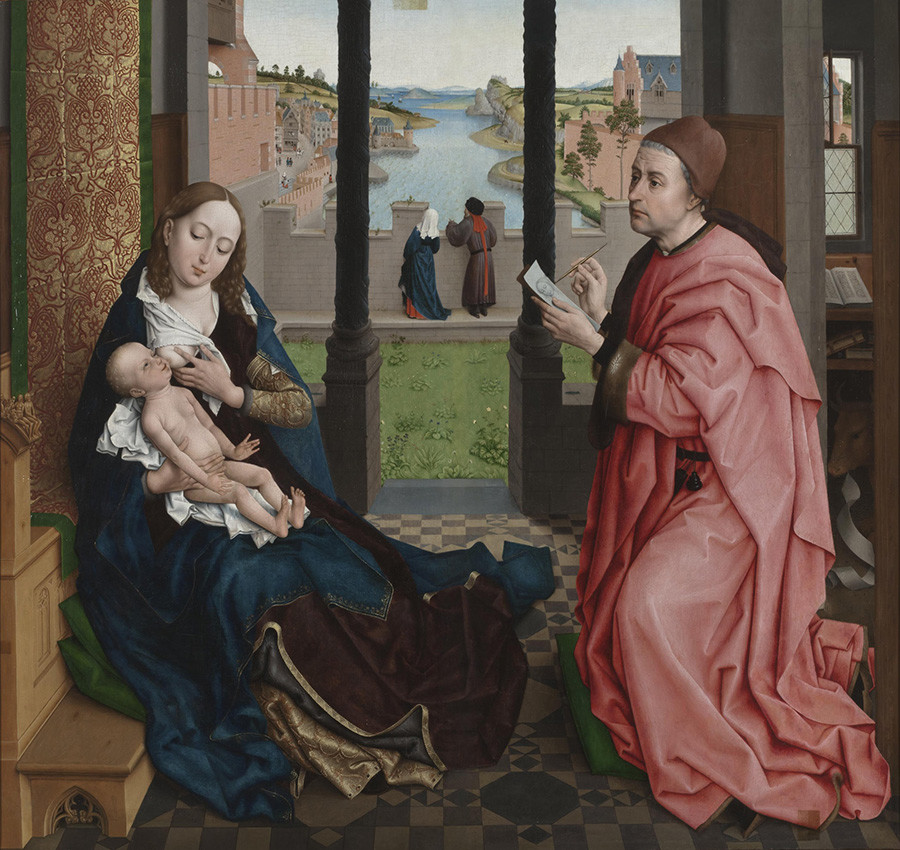
The painting came to the Hermitage in an unusual mode. Information technology was divided into 2 parts: the right one-half, bearing the image of St. Luke, was acquired in 1850 from the collection of Rex Willem II of holland, who was married to the daughter of Emperor Paul I of Russia; the left half, depicting the Madonna and Child, was purchased in 1884 from Parisian antiquarian dealer Antoine Bera.
vii. Raphael. Conestabile Madonna, 1504
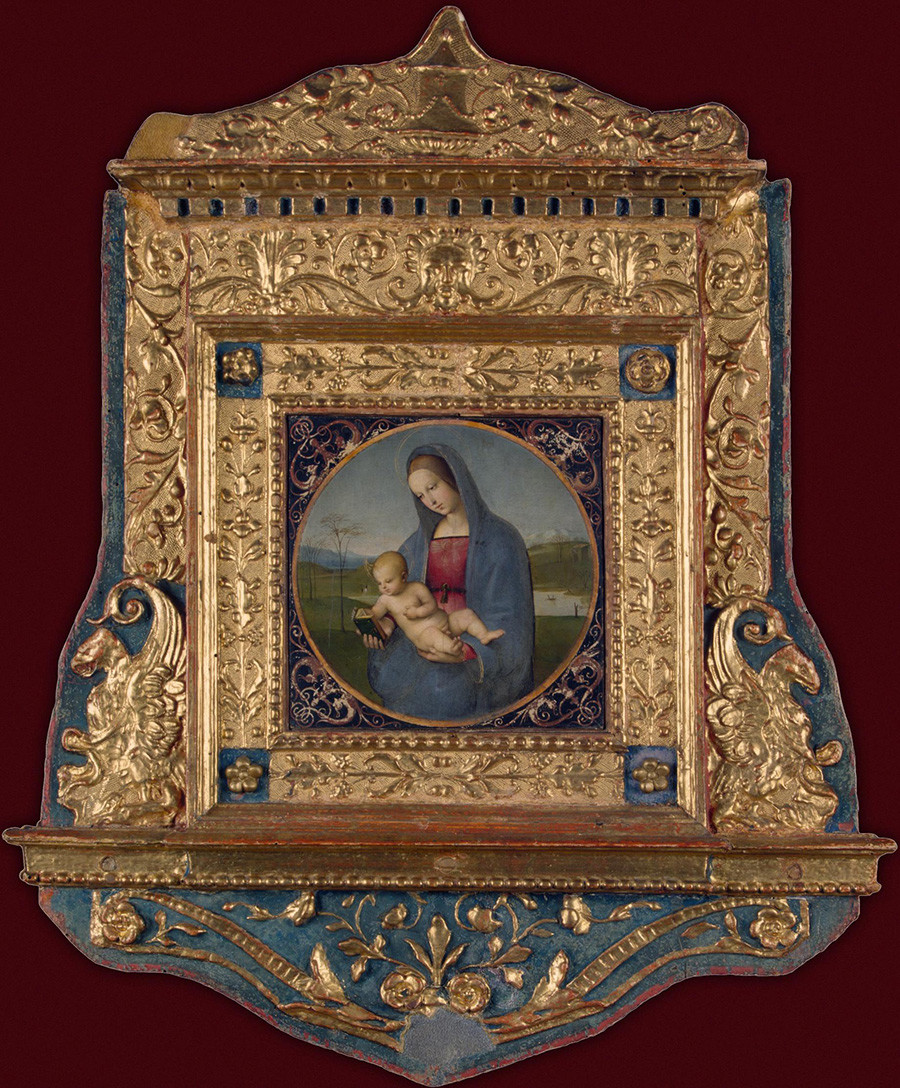
This early on work past the great Raphael was in the collection of Count Conestabile della Stafa in Perugia, Italy. In 1871, the painting was bought by Tsar Alexander II for his married woman, Maria Alexandrovna. The piece of work was moved to the Hermitage in 1881 at the bidding of the empress. See it in Room 229 of the New Hermitage.
8. Giorgione. Judith, 1504
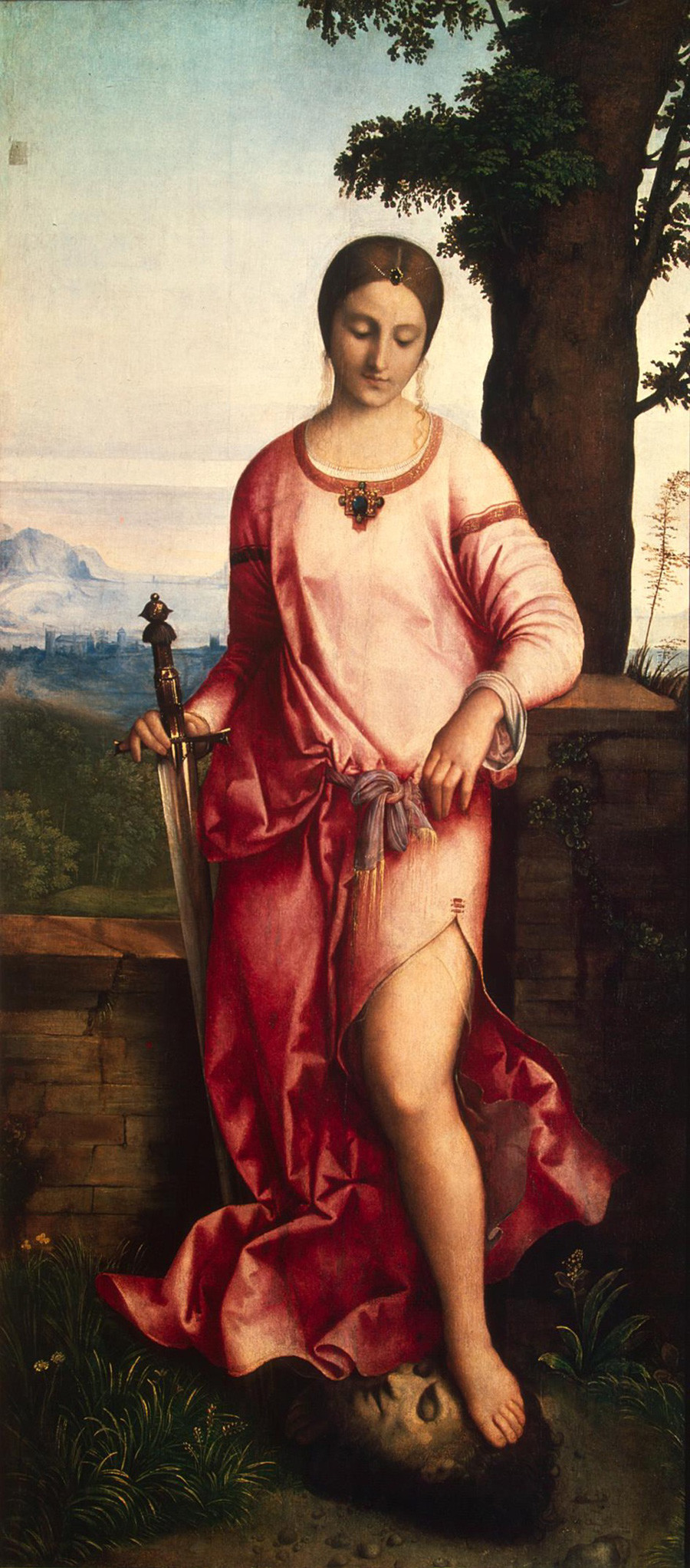
The simply painting in Russia that undoubtedly belongs to the brush of Giorgione. Purchased in 1772 past Catherine the Great, this masterpiece of the Venetian schoolhouse was i of the pearls of the Parisian drove of Businesswoman Pierre Crozat. The 144-cm high sheet is exhibited in Room 217 of the Large Hermitage.
9. Lucas Cranach the Elderberry. Venus and Cupid, 1509
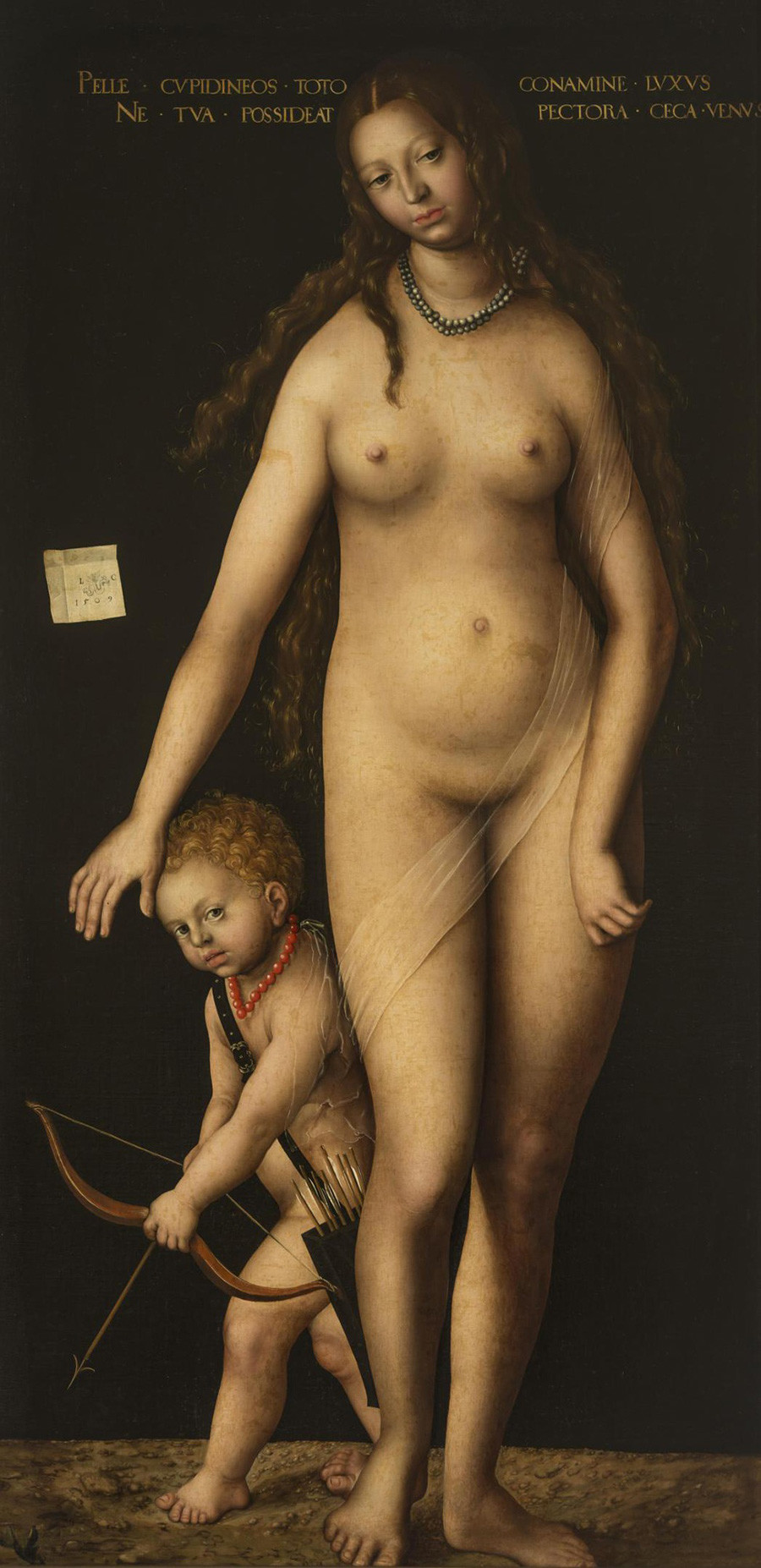
The German artist was the first in northern Europe to draw the nude goddess of honey. Catherine the Great caused the painting along with the entire Dresden drove of High german Count Heinrich von Bruhl. The work formed the basis of the museum's collection in 1769. It is kept in Room 255 of the Small Hermitage.
10. Michelangelo. Crouching Male child, 1530–34
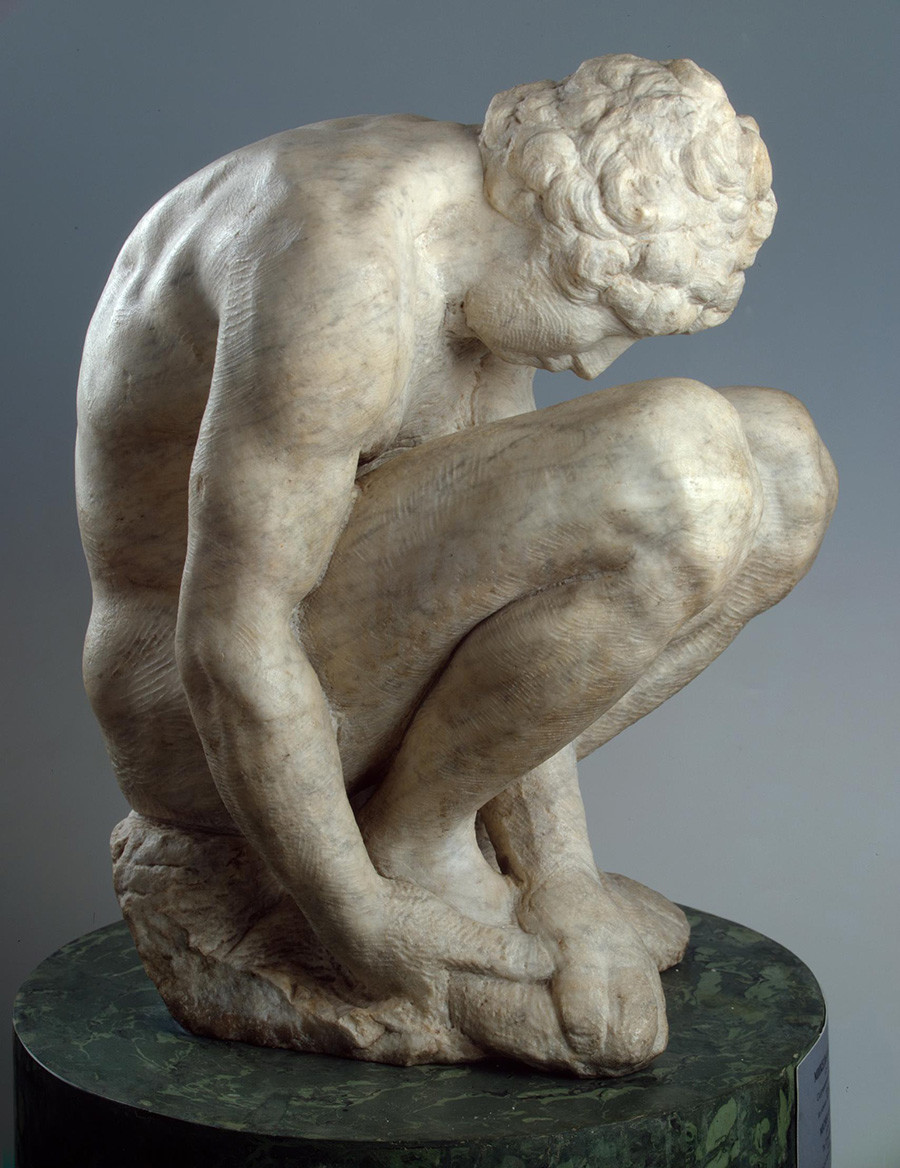
Few museums in the earth tin can boast sculptures by this famous genius of the Renaissance. Information technology is also the only sculpture by Michelangelo in Russia. Boy was bought by Catherine the Great in 1785. For some fourth dimension it was kept at the Regal Academy of Arts, where it served as a model for painters and sculptors. Simply in 1851 it joined the museum in award of the opening of the New Hermitage, where it is on display in Room 230.
eleven. Titian. Penitent Magdalene, 1560s
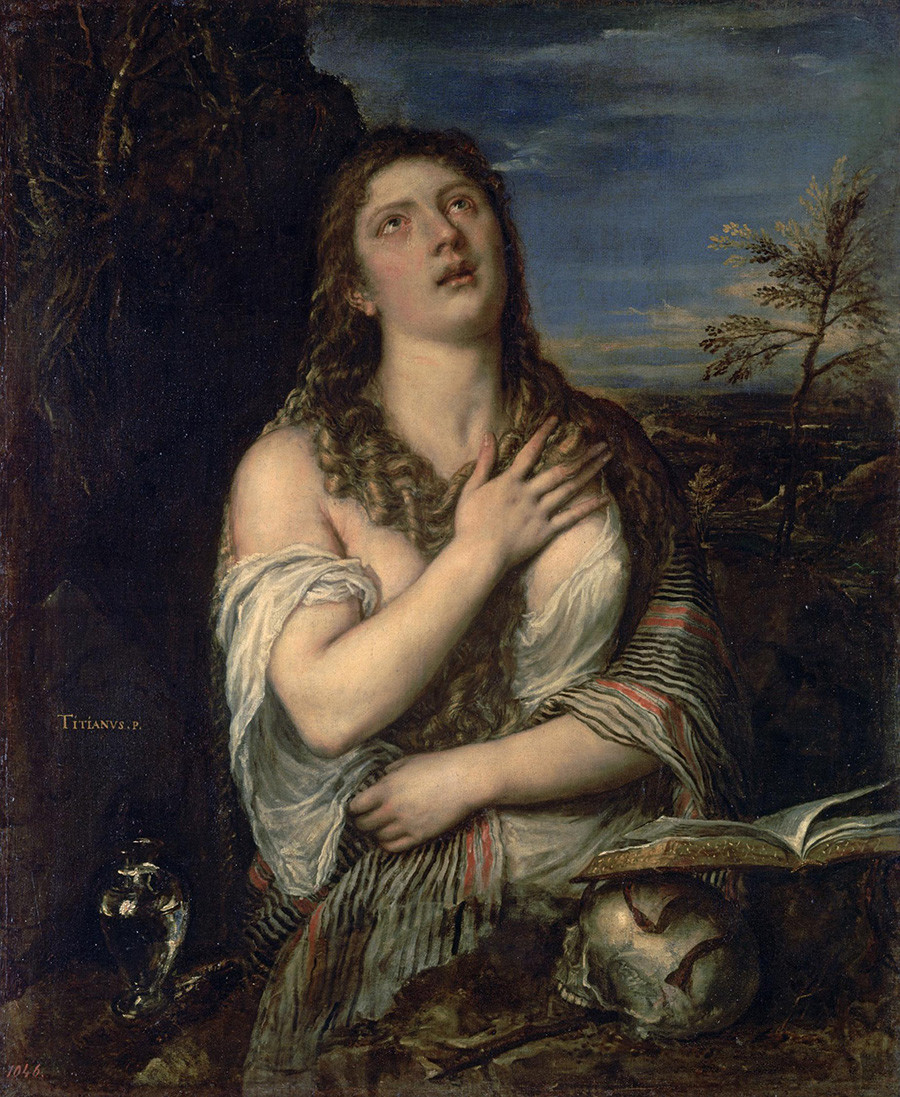
Fable has it that the dying Titian clasped this picture in his easily. It was sold to Cristoforo Barbarigo, whose whole collection was bought for the Hermitage by Nicholas I in 1850; the work by the Venetian main is exhibited in Room 221 of the Big Hermitage.
12. Caravaggio. The Lute Player, 1596–96
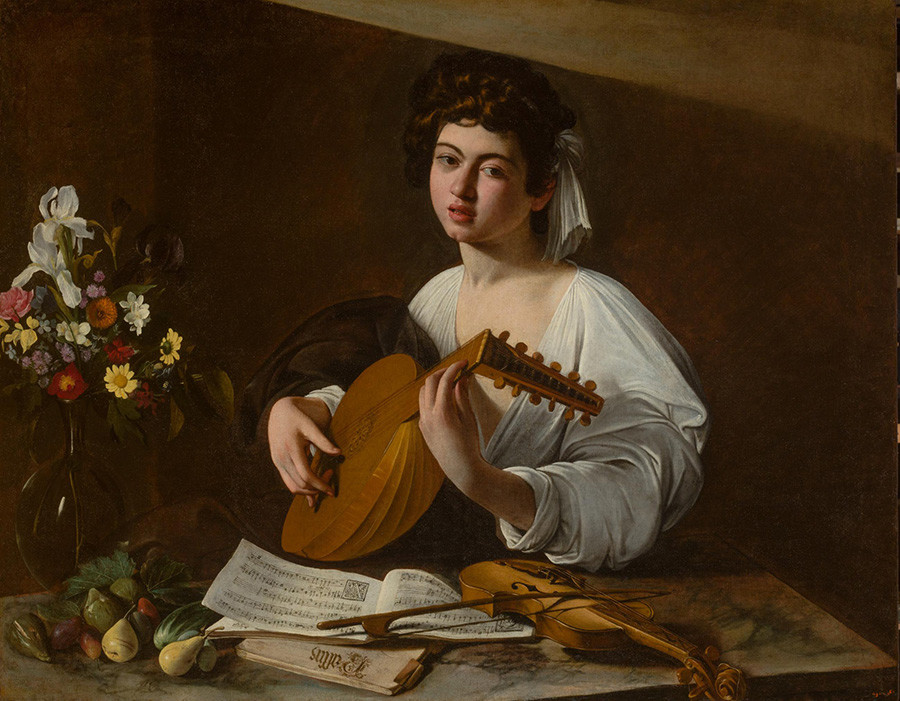
The film exists in three versions. The other two are housed in the Metropolitan Museum of Art in New York and Badminton House in England. The third version, kept in the drove of Italian collector Vincenzo Giustiniani, was acquired by Alexander I in 1808. The Lute Player can be establish in Room 232 of the New Hermitage.
13. Diego Velazquez. The Lunch, 1617
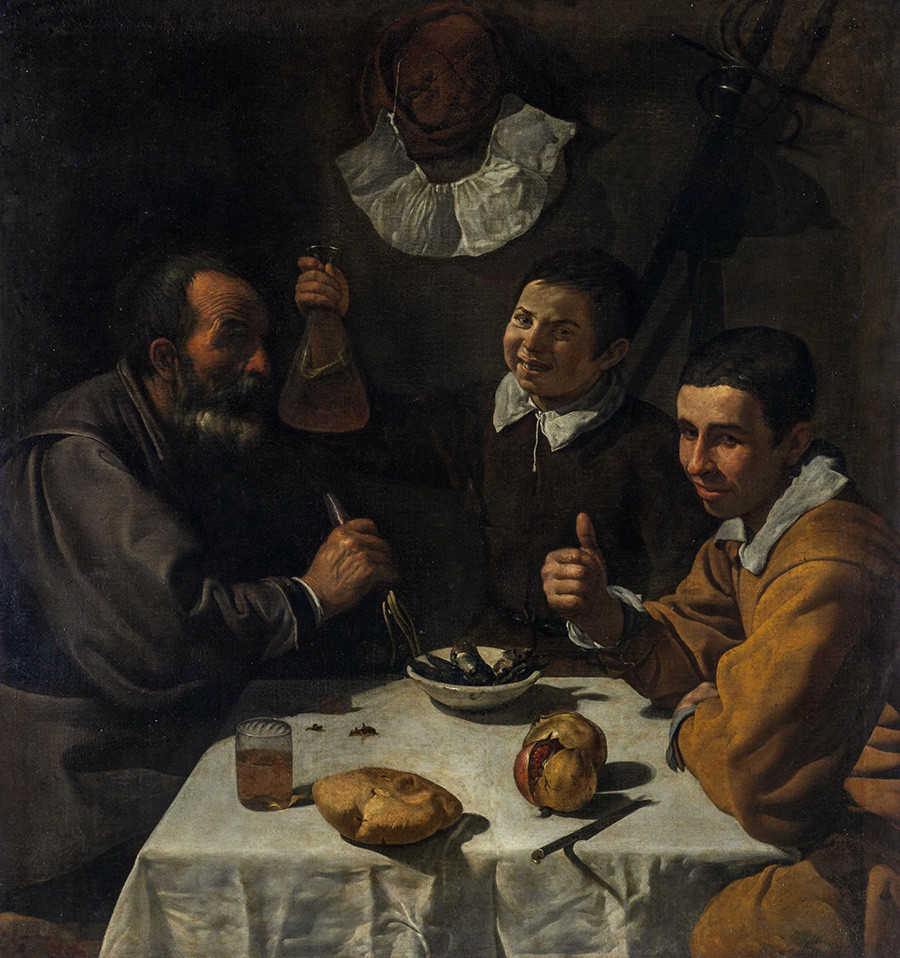
Because the painting was in the personal drove of Catherine the Great, it dates back to the early on days of the museum, although in that location is nonetheless some contend about its true authorship. This chef d'oeuvre by the Spanish master is on display in Room 239 of the New Hermitage.
14. Peter Paul Rubens. Perseus Releases Andromeda, 1622
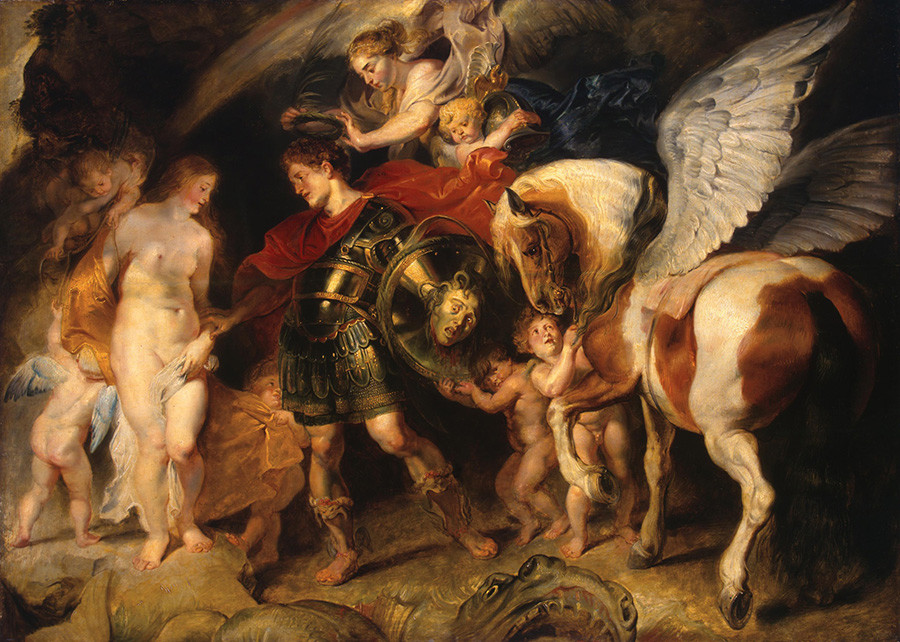
This piece of work by the Flemish painter was procured by Catherine the Dandy along with the drove of Count Heinrich von Bruhl, and was one of the pieces that made up the original drove of the museum. The masterpiece, dedicated to the ancient Greek myth of Perseus, is exhibited in Room 247 of the New Hermitage.
15. Nicolas Poussin. Tancred and Erminia, 1631
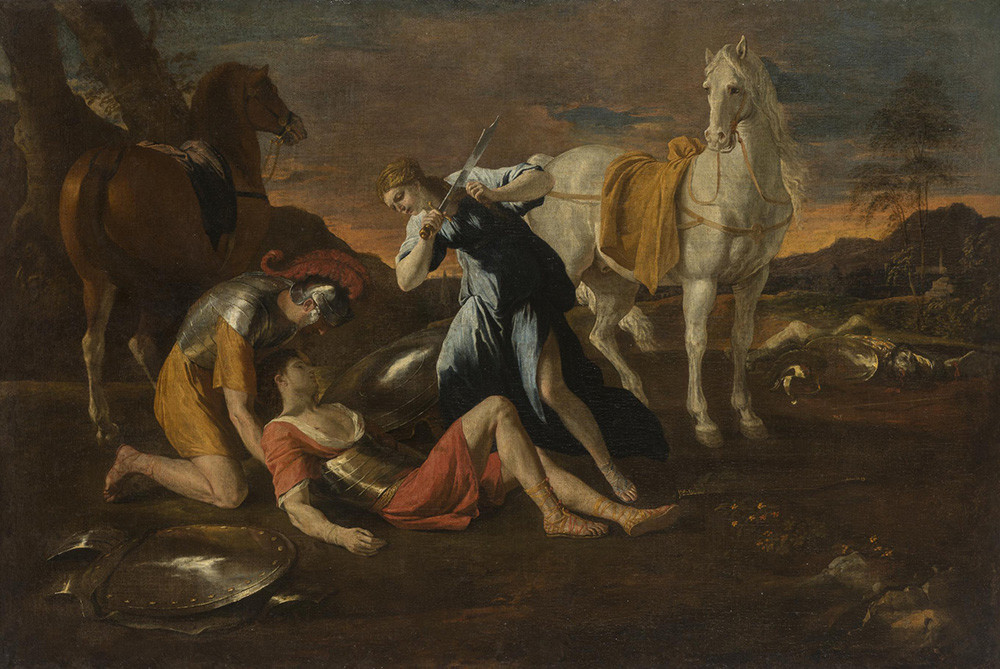
This work past Poussin, a master of French Classicism, was inspired by a scene from the verse form Jerusalem Delivered by Italian poet Torquato Tasso. The painting was caused from the collection of Parisian creative person Jacques Aved in 1766. It is exhibited in Room 279 of the Wintertime Palace.
xvi. Rembrandt. Return of the Dissipated Son, 1668
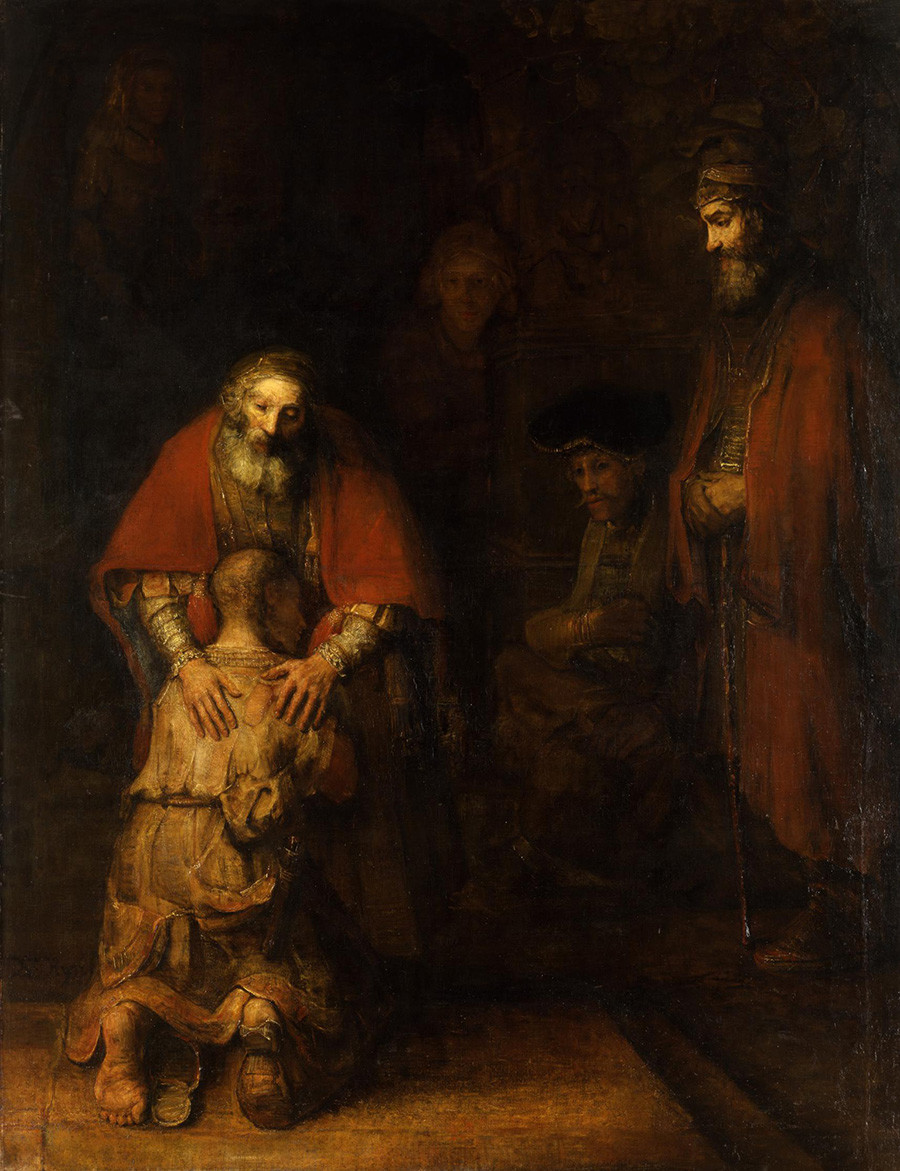
This painting past the Dutch master was bought by Catherine the Great from French Knuckles André d'Ansesen, whose wife's grandpa had served every bit a diplomat at the court of Louis XIV and presumably bought the canvas in Holland. The picture is kept in Room 254 of the New Hermitage.
17. Jean-Baptiste Simeon Chardin. Laundress, 1730
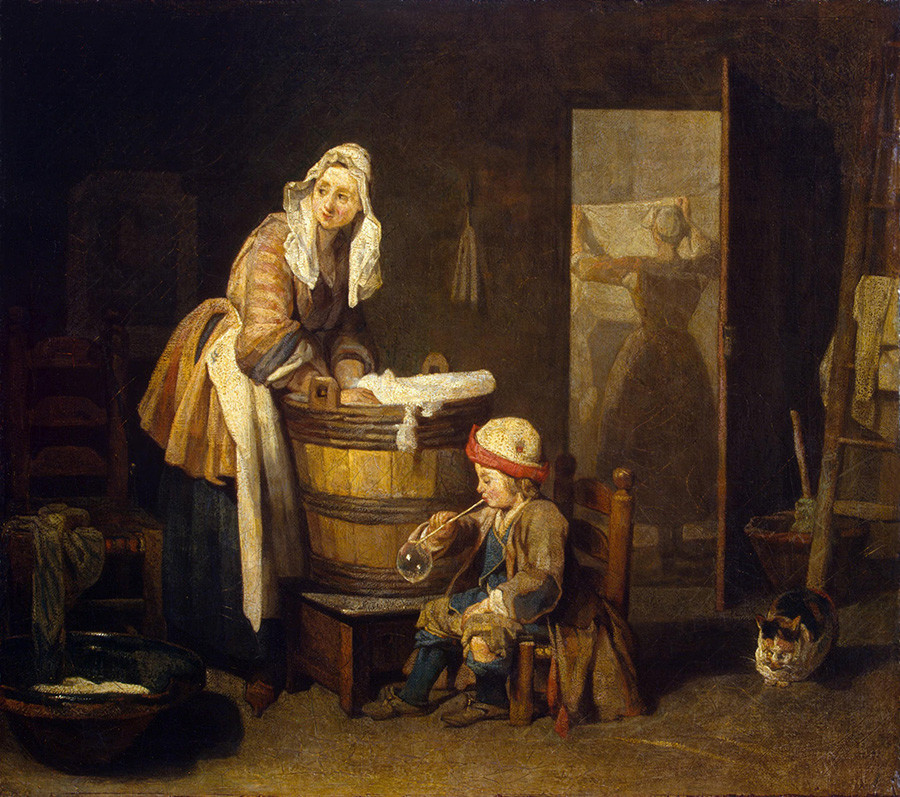
This masterpiece by French painter and "poet of everyday life" Chardin was role of Baron Pierre Crozat'due south collection, bought in 1772 by Catherine the Keen. The painting is displayed in Room 284 of the Winter Palace.
18. The Peacock Clock. London, 1770s
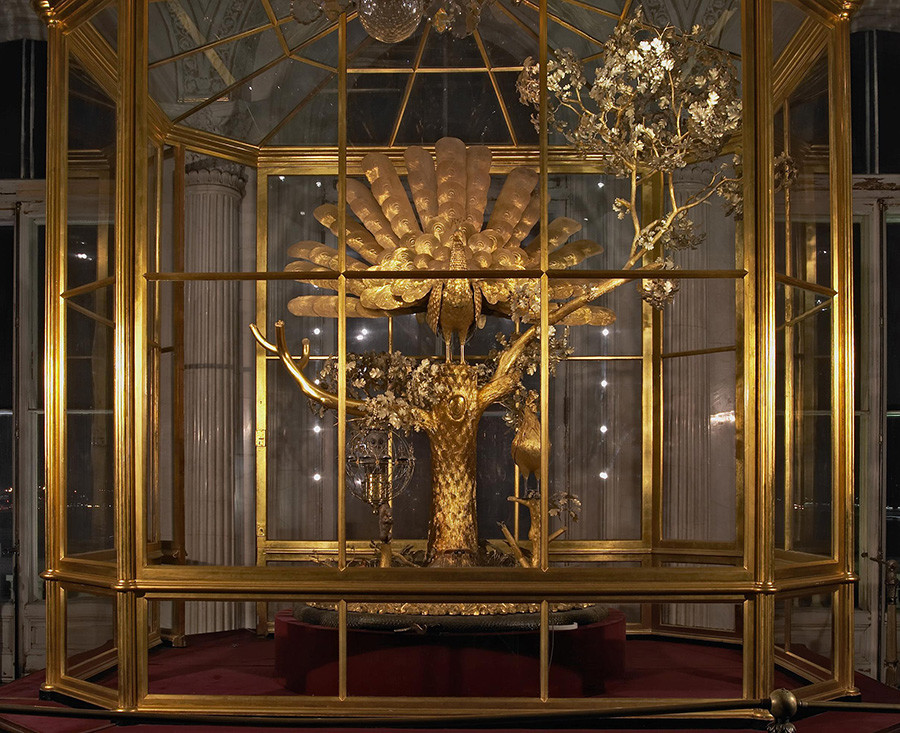
This luxurious mechanical clock made by English jeweler James Cox was ordered for Catherine the Great by her courtier (and favorite) Prince Potemkin.
Delivered to Russia in 1781 in separate pieces, it was assembled and put into activity past the famous mechanic Ivan Kulibin. Today, the clock is on brandish in Room 204 of the Pocket-sized Hermitage.
nineteen. Antonio Canova. Cupid and Psyche, 1794–99
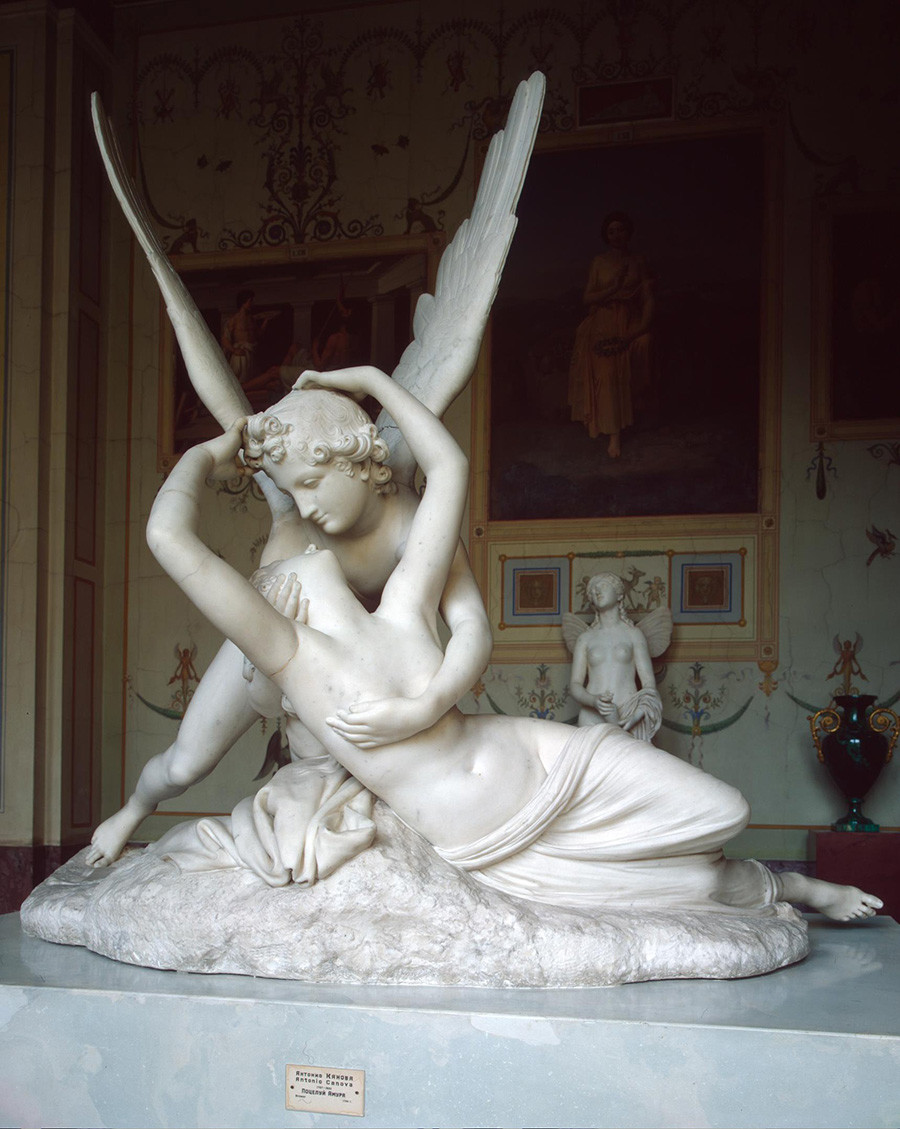
The Venetian master made two versions of this marble sculptural group. One is housed in the Louvre; the other, commissioned by Prince Yusupov, for a long fourth dimension adorned the family unit's Arkhangelskoye estate near Moscow. In 1926, after the revolution, the statue was transferred to the museum and put on display in Room 241 of the New Hermitage. Incidentally, the same room houses another, "standing" version of the sculpture by the aforementioned artist — bought by Alexander I from Josephine.
xx. Claude Monet. Woman in the Garden. Sainte-Adresse, 1867
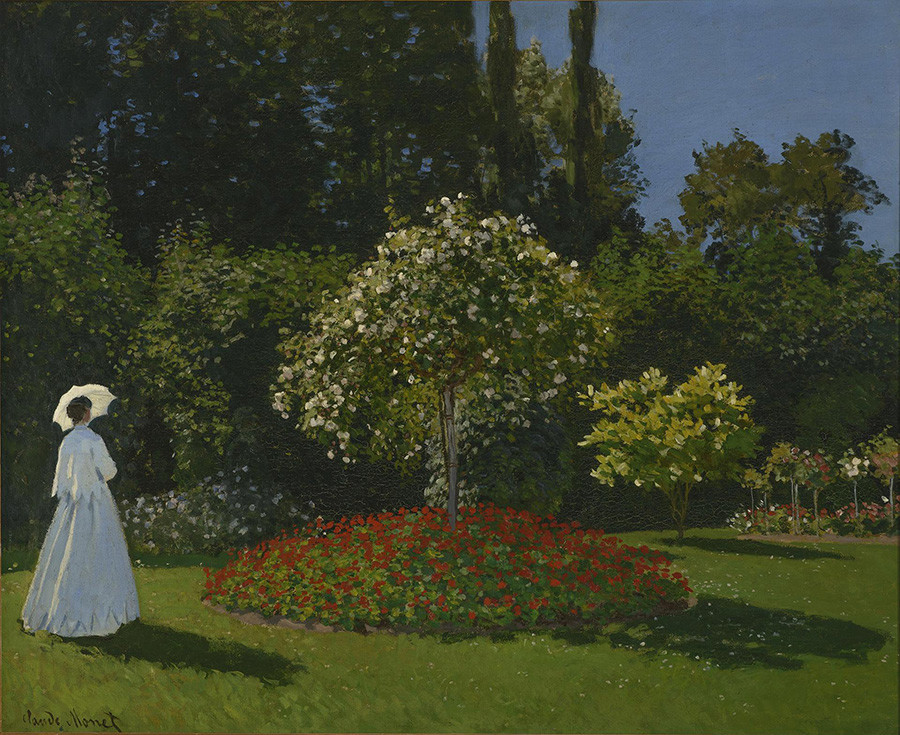
This painting by the great Impressionist was bought in 1899 past Russian fine art connoisseur Pyotr Shchukin, whose vast drove was nationalized subsequently the revolution. The painting came to the museum in 1948. Information technology is exhibited in Room 403 of the General Staff building.
21. Camille Pissarro. Boulevard Montmartre in Paris, 1897
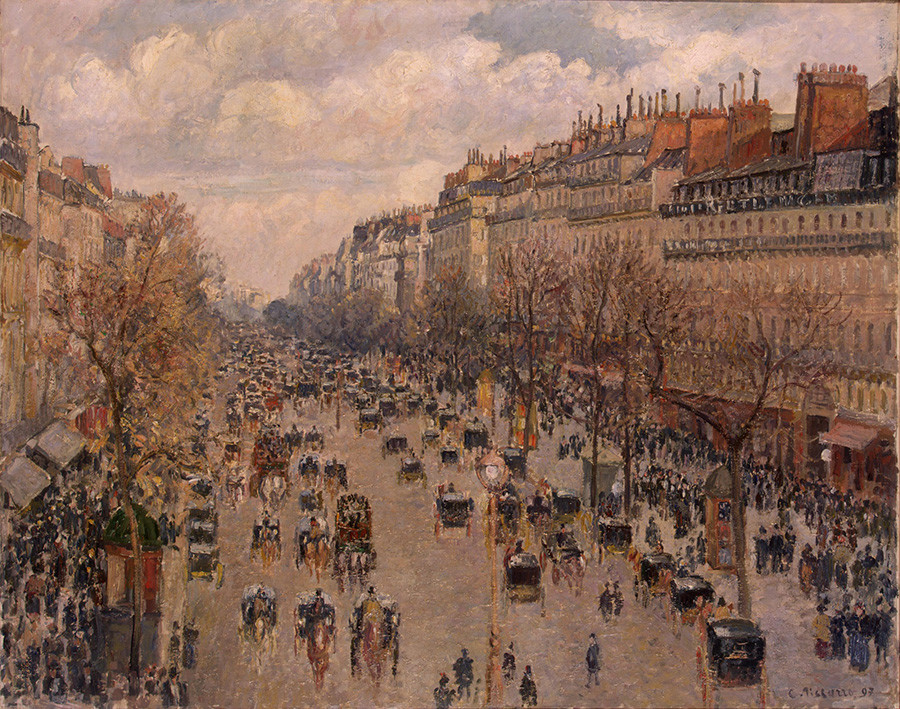
This painting by the French Impressionist belonged to Russian merchant and collector Mikhail Ryabushinsky. After the revolution, he donated part of his collection, including this work, to the Tretyakov Gallery in Moscow. Later, it was moved to the State Museum of Modernistic Western Fine art, also in Moscow, and after its closure in 1948 was given a permanent home at the Hermitage, in Room 406 of the Full general Staff building.
22. Pablo Picasso. Two Sisters (The Meeting), 1902
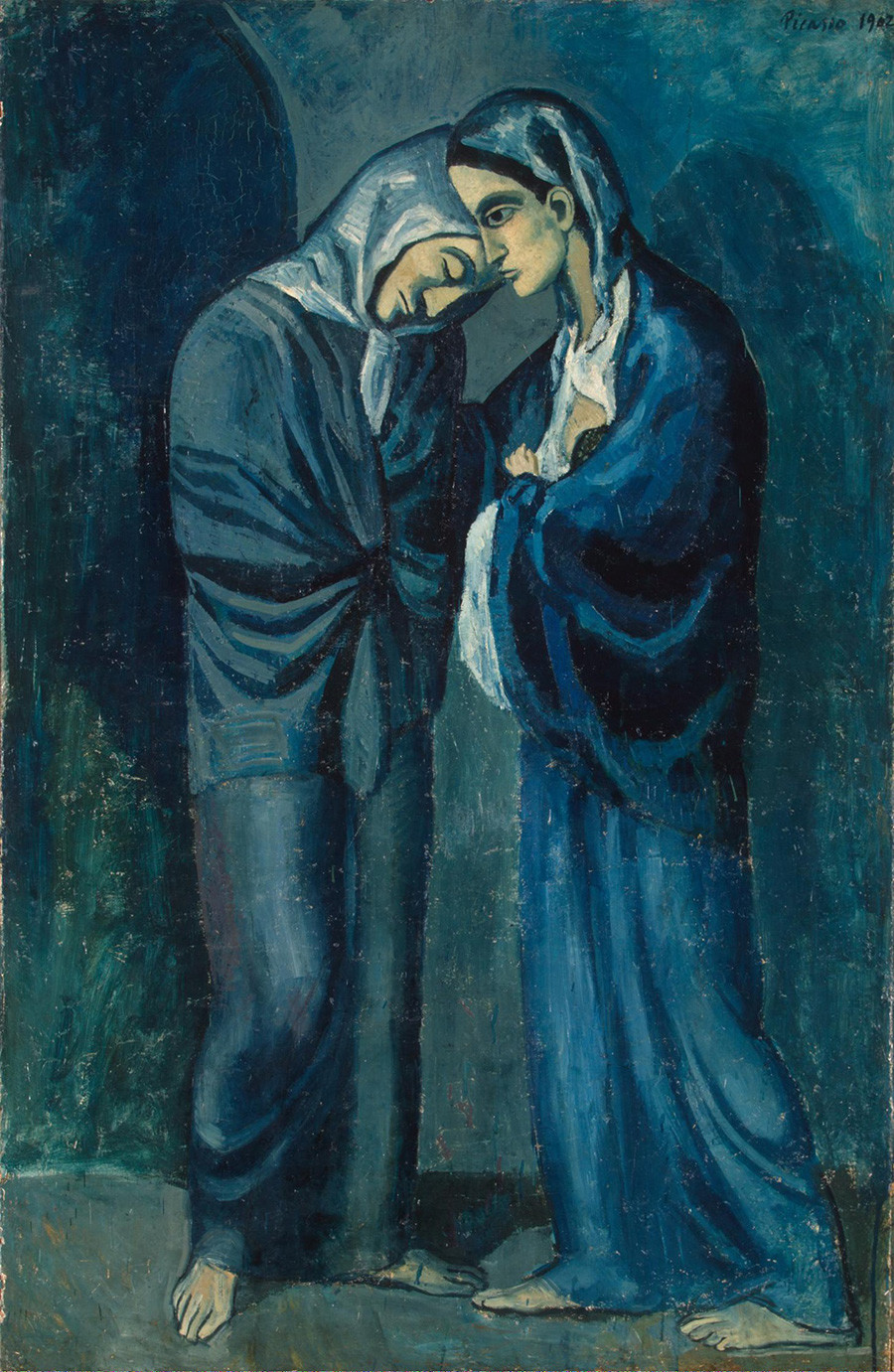
Russian collector Sergey Shchukin bought many paintings by the Spanish artist, including this masterpiece of his Blueish Period. Shchukin's collection ended up first in the Land Museum of Mod Western Art, then, in 1948, in the Hermitage, where information technology remains to this day in Room 432 of the General Staff building.
23. Rothschild Fabergé Clock Egg, 1902
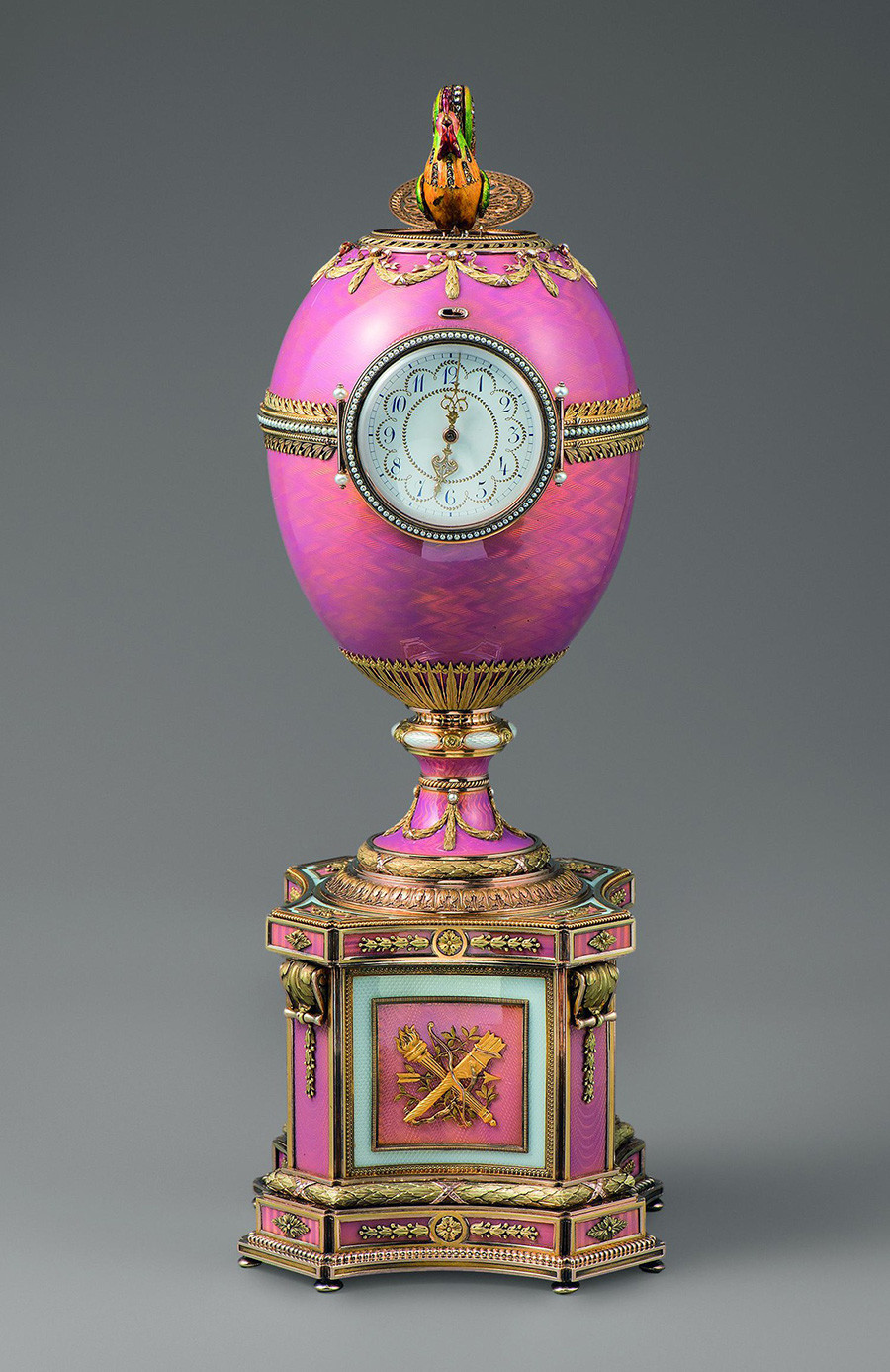
This gorgeous Fabergé Easter egg-fashion clock belonged to Baron Eduard Rothschild. For a long fourth dimension, the masterpiece remained the holding of the Rothschild family and was not exhibited anywhere. The egg was bought at Christie's by Russian collector Alexander Ivanov in 2007, and gifted to the Hermitage in 2014. It stands on brandish in Room 302 of the Full general Staff building.
24. Henri Matisse. Dance, 1910
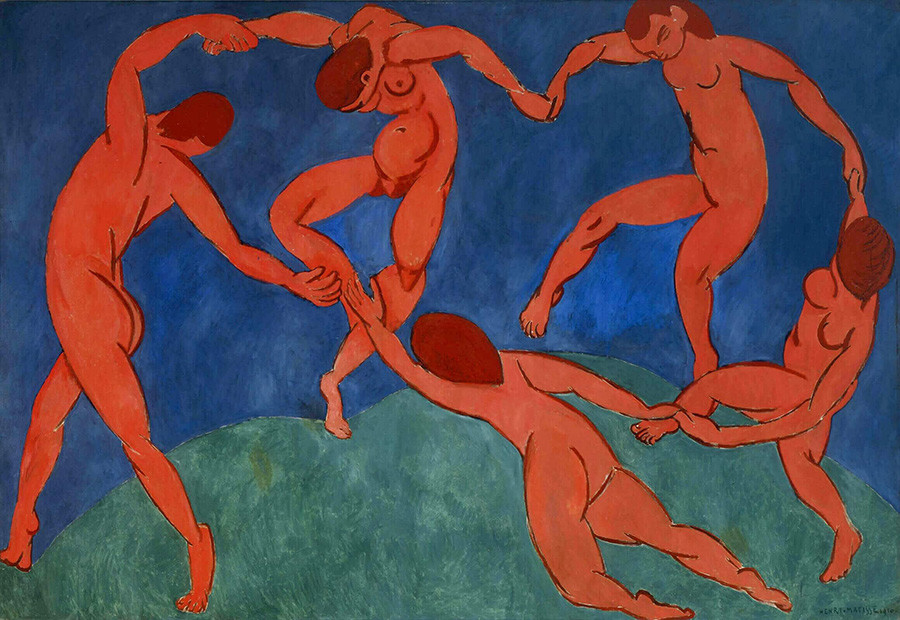
This painting was commissioned personally by Russian collector Sergey Shchukin for his own mansion. The first version of the painting is housed in the Museum of Modern Art in New York, while the version from Shchukin's mansion was nationalized together with his drove and transferred to the Hermitage in 1948. It is kept in Room 440 of the General Staff edifice, which is dedicated solely to Henri Matisse.
25. Wassily Kandinsky. Composition Half dozen, 1913
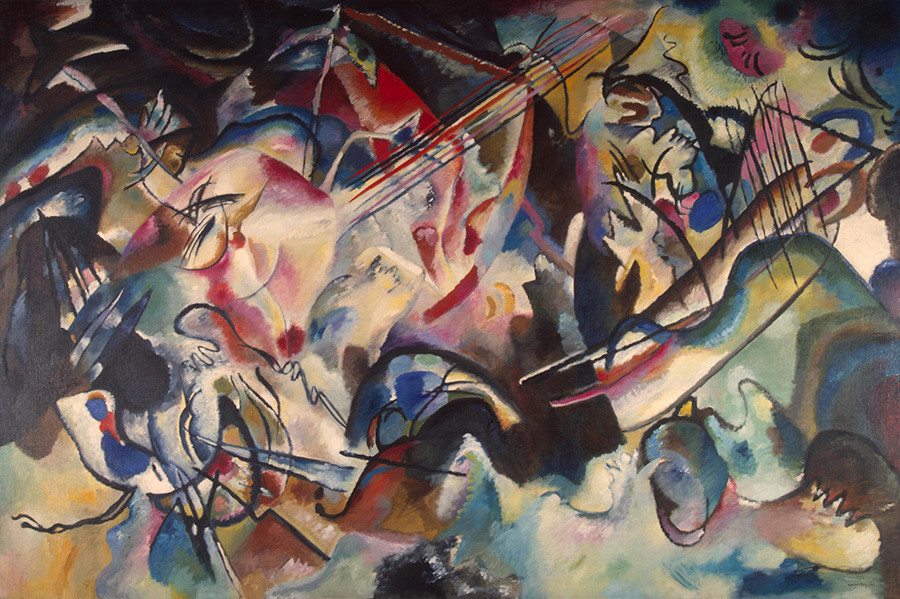
This painting was created by the top Russian abstractionist in Federal republic of germany, where he lived for over a decade. The canvas features extensive comments by the artist himself, explaining the utilize of certain colors and modes of expression. The painting came to the Hermitage in 1948 from the State Museum of Modern Western Art, which was opened post-revolution and then shut down. Information technology is kept in the General Staff edifice, Room 443.
If using any of Russia Beyond's content, partly or in total, always provide an active hyperlink to the original material.
Get the week's best stories straight to your inbox
benjaminthativess40.blogspot.com
Source: https://www.rbth.com/arts/333825-main-masterpieces-hermitage
0 Response to "The Famous Hermitage Art Museum Is Located in Which City"
Enviar um comentário