How to Get Old
W hen Susan Saunders was 36, her female parent was diagnosed with severe dementia. "I had a toddler, a newborn, a full-time task as a TV producer – and I became a carer as well." As a teenager, she had watched her mum care for her own mother, who had the same condition. "I became determined to do everything I could to increase my chances of ageing well."
Annabel Streets' story is similar. When she was a student, her grandad died from cancer months afterward he retired; later, she watched her female parent care for her grandmother, who lived with dementia and crippling rheumatoid arthritis for nearly xxx years. "When I developed a chronic autoimmune disease, I knew things had to alter. But by then I had four young children and there was precious niggling time for my own health."
Together, Saunders and Streets started researching the latest scientific discipline on how to have a healthier, happier former age and how to apply it to their ain lives, and blogged well-nigh their findings for five years. Their Historic period Well Project has now been published as a book, compiling almost 100 shortcuts to health in mid- and later life – and Streets and Saunders, who are both in their 50s, say they accept never been in better health.
What did they learn?
Look to your ancestors for answers
If you are serious about ageing well, you need to become an expert in your own health – don't be afraid to ask questions of your doc and your family unit. We started our projection to age well past compiling ancestral health trees, listing whatsoever known illnesses in old age and the causes of bloodshed and ages at death of equally many directly ancestors as possible. We did Deoxyribonucleic acid tests, built records of our blood pressure, blood glucose, cholesterol and vitamin D levels, and took note of our BMI and waist-to-hip ratio to devise more personalised ageing plans.

Enjoy coffee
Coffee is rich in antioxidants, polyphenols and phenylindane, a recently identified compound that researchers recall may help fend off Alzheimer's and Parkinson's disease. Drinking java has also been linked to reduced risks for several cancers, center disease and blazon 2 diabetes. Drink your coffee without sugar or processed syrups, and don't make information technology likewise milky: the antioxidant value appears to drop when milk is added.
Walk faster
Walking is skillful, just step matters. Brisk walking has been linked to better memory, better health and a longer life. Increment your pace until yous are slightly out of breath or sweaty and aim for 30 minutes a twenty-four hour period, ideally outdoors to get the additional benefits of vitamin D and light. New inquiry suggests that those walking beginning affair in the morn also brand better decisions during the twenty-four hours, so consider swapping your morning commute for a robust walk.
Exercise in dark-green space
Trees produce phytoncides which help to lower blood force per unit area, reduce stress and boost immunity. The microbes in forest soil accept been found to reduce depression and may contribute to the health of our microbiome. A 15-minute walk is all it takes to reap the benefits, only researchers have establish that a weekend in the woods improves immunity for up to a month, while a short afternoon run or walk somewhere green means better sleep at nighttime.
Fast every solar day
Our bodies accept adapted to get without nutrient for short periods – the surprise has been discovering how beneficial this is for many of united states. Intermittent fasting, made famous past Michael Mosley'due south popular 5:2 nutrition, is a proven method for increasing longevity. It too appears to fend off Alzheimer's, type two diabetes and weight gain. There are several forms of fasting and it is important to find one that suits your lifestyle. We like the extended overnight fast of fourteen-sixteen hours, which has been establish to amend gut health, but was also followed by our afar forebears, who typically ate supper at sundown, rarely snacked, and so ate mid-morning the post-obit mean solar day.
.
Build musculus
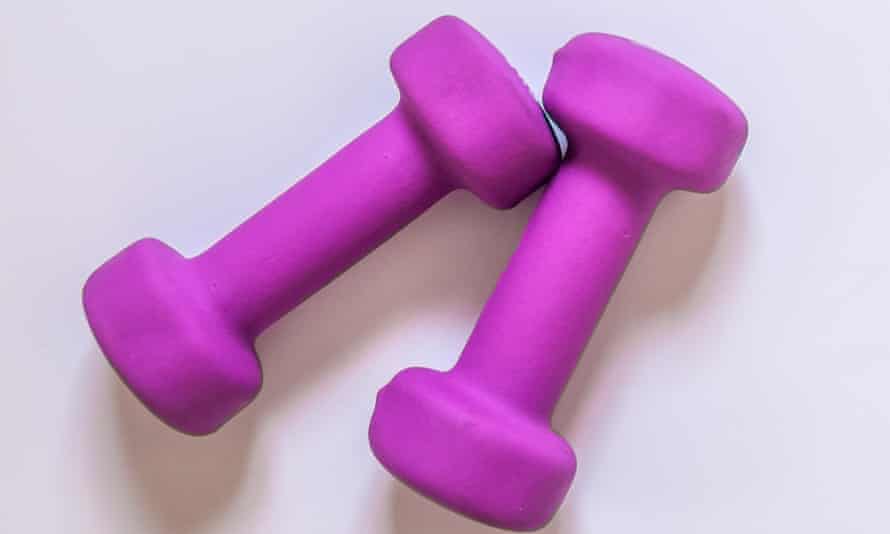
Experts believe resistance preparation is as important for ageing as aerobic practise, eating vegetables and sleeping well. Later on age twoscore, nosotros lose musculus at the rate of 1% a year, increasing our hazard of heart attacks, strokes and osteoporosis. Recent research found that older adults who did twice-weekly strength training lived longer and with less illness than those who did none. Nosotros similar rowing and weight-training for efficiency; we too keep pairs of weights near the kettle and the Idiot box and lift them if we have a few minutes to spare.
Read books
Although reading is sedentary and alone, frequent reading has been linked to longer, healthier life. A Yale report of 3,600 over-50s found that reading increased longevity by nearly two years; readers of books outlived readers of newspapers and magazines. While those who read for more than than 3.5 hours a calendar week lived longest, the researchers said "xxx minutes a day was nonetheless beneficial". Meanwhile, every expert seems to recommend reading equally a means of getting to sleep.
Piece of work longer
While many of us dream of a gilt age of retirement, a 2016 study found that people who worked longer lived longer, a fact reflected in earlier longitudinal studies that constitute correlations between retirement and poor health. Researchers speculate that this is because working usually involves social interaction, movement and a sense of purpose. Several studies take linked retirement with loneliness and depression. But working long hours year later on year is non the respond either. Research shows that from mid-life onwards, the sweet spot for health and longevity is working at a less intense pace and mayhap for fewer hours.
Go along learning
Old brains are but as equipped to build new neurons and synapses as young ones. But this process works best when nosotros repeatedly force ourselves to acquire new things. The brain loves novelty: crafts, games, even cooking from a new recipe, all trigger the creation of neurons, but the more complex and more than difficult the new action is, the greater the rewards. Choose something that likewise involves social interaction and a flake of movement, such as singing. Best of all, try learning complex new dance moves.
Take a nap
Several studies have plant that nappers have better attention and focus, amend retention and amend non-verbal reasoning. Oddly, nappers likewise appear to sleep better at night (with the proviso that your nap shouldn't exist taken too tardily in the afternoon). A Nasa study found that sleepy pilots had a 45% improvement in performance and a 100% improvement in alacrity later a short nap. Merely the key is to keep the nap short (about 30 minutes). Studies consistently bear witness that naps of more than than 90 minutes tin exist detrimental to our health.
Clea r out your medicine cabinet
In detail, clear out unnecessary anticholinergics, ofttimes plant in antidepressants, bladder drugs, medication for Parkinson's disease and some antihistamines and travel sickness pills. This isn't something you should practise without your doctor's guidance, but several studies take at present linked ingesting high levels of anticholinergics with the onset of Alzheimer'southward, even if taken for every bit little as a yr. Enquire your doctor for alternative medication, particularly if you lot are taking several pills containing anticholinergics.
Only spend on vitamin D and zinc
Study later study has institute that supplements have very little benefit; we invest in proficient nutrient instead. Nonetheless, when it comes to vitamin D and zinc, the data is robust: vitamin D – in the right dosage – can assistance us age well while zinc has been shown to reduce the severity of coughs and colds. Those of us in the northern hemisphere aren't able to get the sunlight necessary for the trunk to brand vitamin D, then a supplement of at least 1,000 iu daily during the winter months is recommended past some ageing experts.
Avert pollution
Pollution is rapidly becoming the biggest threat to our ability to age well, with more than and more research linking particulate matter to lung cancer, heart disease, dementia, hypertension and diabetes. Information technology is vital that nosotros are vociferous in lobbying for cleaner air and that nosotros play our part in reducing our ain personal pollution footprints. But we can lessen the damage of living in heavily polluted cities. Avoid congested roads, switch to an anti-inflammatory nutrition (shown to mitigate the furnishings of pollution in some people), invest in a good quality air purifier and rotate it round your business firm, and fill your house with pollution-fighting greenery.

Use olive oil
Nosotros think of olive oil equally "liquid gold", such are its benefits, with improved heart health topping the list. A four-and-a-half year clinical trial involving 7,000 older adults at adventure of heart disease found that those eating an olive oil-rich Mediterranean nutrition had xxx% fewer instances of heart attacks and strokes, too as improved lipid and cholesterol levels, and lower blood pressure. Olive oil consumption has likewise been linked to a slowing of the progression of breast cancer, reduced bone mass loss and amend blood glucose command. Employ it to cook or apparel multicoloured vegetables.
Build bone density
The adage, use it or lose it, is never truer than when applied to bone strength. And information technology'southward very specific: enquiry has shown that professional person tennis players have much higher bone density in their serving arm than their non-serving arm. The most benign exercise, if your joints are up to it, is jumping – attempt to jump 10 to 20 times a 24-hour interval with a thirty-2d balance between each. Other high-bear upon practise, such as running or skipping, also increases bone density. Resistance preparation such as lifting weights also boosts bones, merely exerts less force per unit area on joints. If that all sounds likewise sweaty, ballroom dancing improves residuum and coordination, resulting in fewer falls and fractures.
Photograph: Getty Images/Hero Images
Cultivate friendships
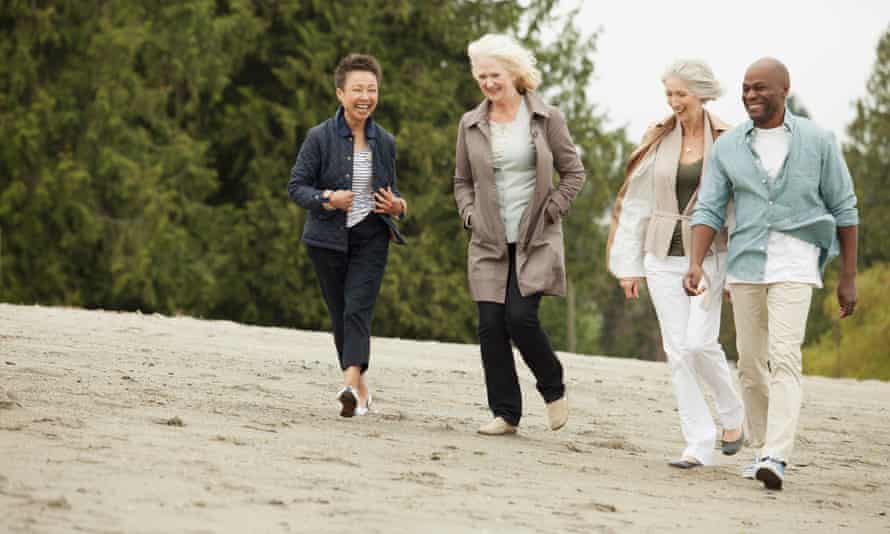
Loneliness is as large a mortality run a risk as diabetes. Research links social isolation to dementia, center disease, stroke, depression and a 29% greater risk of dying. An eight-decade study found a clear correlation between having a large social network and living longer. More contempo research shows the quality of friendships likewise helps keep us alive: enquire yourself if your friends stimulate you and if they accept a positive outlook. Helping and caring for others likewise strongly correlates with longevity.
Back up immunity
It is oft thought the immune arrangement weakens with age, merely research indicates that the reverse may be truthful: the immune organisation actually overreacts as we become older, creating more inflammation in the trunk when it is confronted by a virus, for example and speeding upwardly the ageing process. With 70% of the immune organisation located in the gut, gut wellness is key. Support your allowed system with a diet high in dark leafy greens, brassicas (such as cabbage and broccoli), alliums (such as garlic, leeks and onions) and mushrooms. Shiitake mushrooms, in particular, have been found to accept a powerful effect on the allowed organisation. If you have a cold, try a uncomplicated miso soup with mushrooms, ginger and greens.
Change how you eat, specially in the evening
Irresolute how you eat, rather than what you eat, can make a bigger impact on longevity than a radical dietary overhaul. Piles of vegetables, whole grains, pulses and lean protein fill up our plates now. Nosotros also aim to eat earlier, whenever possible, to allow digestion to kick in well before bedtime. This means less disturbed sleep and a longer overnight fast, too. Eating earlier has enabled united states of america to eat more slowly – an essential but overlooked gene in the Mediterranean nutrition, assuasive satiety hormones to kick in. And when we have eaten, we stop. Constant grazing and snacking means that the digestive system is permanently working – and therefore besides permanently producing insulin, potentially leading to insulin resistance, a precursor to diabetes.

Add together turmeric
A natural anti-inflammatory, turmeric has been linked to a reduced take chances of Alzheimer's, cancer and liver affliction. It is besides antiseptic, antibacterial and packed with antioxidants. Research suggests that curcumin, turmeric'south active ingredient, appears to annul the low-grade, chronic inflammation that increases with age – information technology may also amend brain function. Other studies have linked curcumin supplementation to reduced pain for arthritis sufferers, improved liver function and some relief from irritable bowel syndrome symptoms. Beginning your twenty-four hour period with our turmeric sunrise tonic: a cup of warm water, 1 tbs apple cider vinegar, 1 tsp turmeric, ½ tsp blackness pepper (which seems to increase absorption rates of curcumin) and ½ tsp ginger pulp. Add honey to taste and stir well.
Meditate
Meditation isn't only hippie woo woo: research shows information technology has a powerful effect on the brain. Information technology appears to reduce stress and promote empathy, and regular practitioners seem not to lose grey matter, or suffer reduced concentration, as they age. Just 15 minutes a 24-hour interval is enough to strengthen telomeres, the "caps" that protect our DNA and, according to a Harvard written report, to have a positive affect on blood pressure level levels. A very specific form of meditation, Kirtan Kriya, involving chanting and finger movements, stabilises brain synapses and increases cerebral blood flow – researchers concluded that it should exist considered for Alzheimer's affliction prevention. Tin't spare 15 minutes? Have a few moments to focus on your breath or your surround to promote a feeling of at-home.
Eat more fibre
If yous brand just one dietary alter to heave longevity, make it this one. An Australian study tracked the diets of ane,600 people over ten years to discover the impact of saccharide consumption on successful ageing. The about successful agers (those about free of disease subsequently a decade) were the ones with the highest fibre intake – usually from fruit, wholegrain bread and oats. The researchers suggested two possible reasons for this: fibre slows the digestion of food, thus keeping insulin levels in check, which in turn reduces inflammation (a key trigger of ageing); and some types of fibre ferment in the body, producing curt-chain fatty acids, which also dampen inflammation. Fibre also helps reduce cholesterol levels, which in turn supports centre health, and lowers colorectal cancer take a chance past moving food through the gut quickly. The recommended daily intake of fibre is 30g; the United kingdom of great britain and northern ireland boilerplate is 18g. A daily cup of beans or pulses, plus quality whole grains such as brown rice, quinoa and granary breadstuff, volition help heave your intake.
Avoid blue light in the evenings
Our electronic devices play havoc with our fragile circadian rhythms. Screens produce bluish light, which helps wake the states upwardly in the morn, but at dark suppresses production of melatonin, the vital sleep-inducing hormone. Control your exposure by adding time-sensitive filters that block blueish light from your laptop and phone; fix an alarm to remind yous to start a pre-bed wind-downward; and continue electronics out of the chamber.
Look after your optics
The best ways to protect our eyes are to avoid smoking, proceed active and swallow healthily, including foods rich in macular pigments – annihilation vivid yellow, orange or green is a rich source. Include plenty of vegetables such every bit corn on the cob, orange peppers, carrots and kale in your nutrition. Regular eye tests are a must: eyesight changes rapidly afterward the historic period of 40. Habiliment practiced-quality sunglasses on sunny days, even in winter, and accept regular breaks if you spend a lot of your day looking at an electronic screen.

Walk a dog
The health benefits of owning a dog are obvious: dogs need walking, caring for and routine, all of which help us age better. A report of more than 3 million Swedes aged 40 to 80 found that dog owners had a lower risk of decease due to all causes. Pet owners likewise take lower blood pressure level and cholesterol than non-pet owners: stroking an animal lowers levels of the stress hormone cortisol. Having a domestic dog means that your abode might not be as clean every bit information technology could exist – and that's a good thing. Dog ownership increases the quantity of 56 classes of bacterial species in the home, which in turns boosts gut health.
Cultivate optimism
Studies take found that older people with a negative attitude to ageing have worse functional health, slower walking speeds and lower cognitive abilities than those with a more than positive attitude. Negativity, unsurprisingly, puts stress on the body, elevating cortisol levels, which in the long term can touch on eye health, slumber quality, weight and knowledge. You really are as old as you experience, information technology seems.
benjaminthativess40.blogspot.com
Source: https://www.theguardian.com/lifeandstyle/2019/may/26/happy-ever-after-25-ways-to-live-well-into-old-age
0 Response to "How to Get Old"
Enviar um comentário